
What a Kominka Renovation Really Costs (and Why It Can Exceed the Purchase Price)
Full renovations of traditional Japanese houses run ¥8-40 million and beyond. Planning ranges for seismic work, insulation, roofs and water systems — plus the retrofit sequence that avoids paying twice.
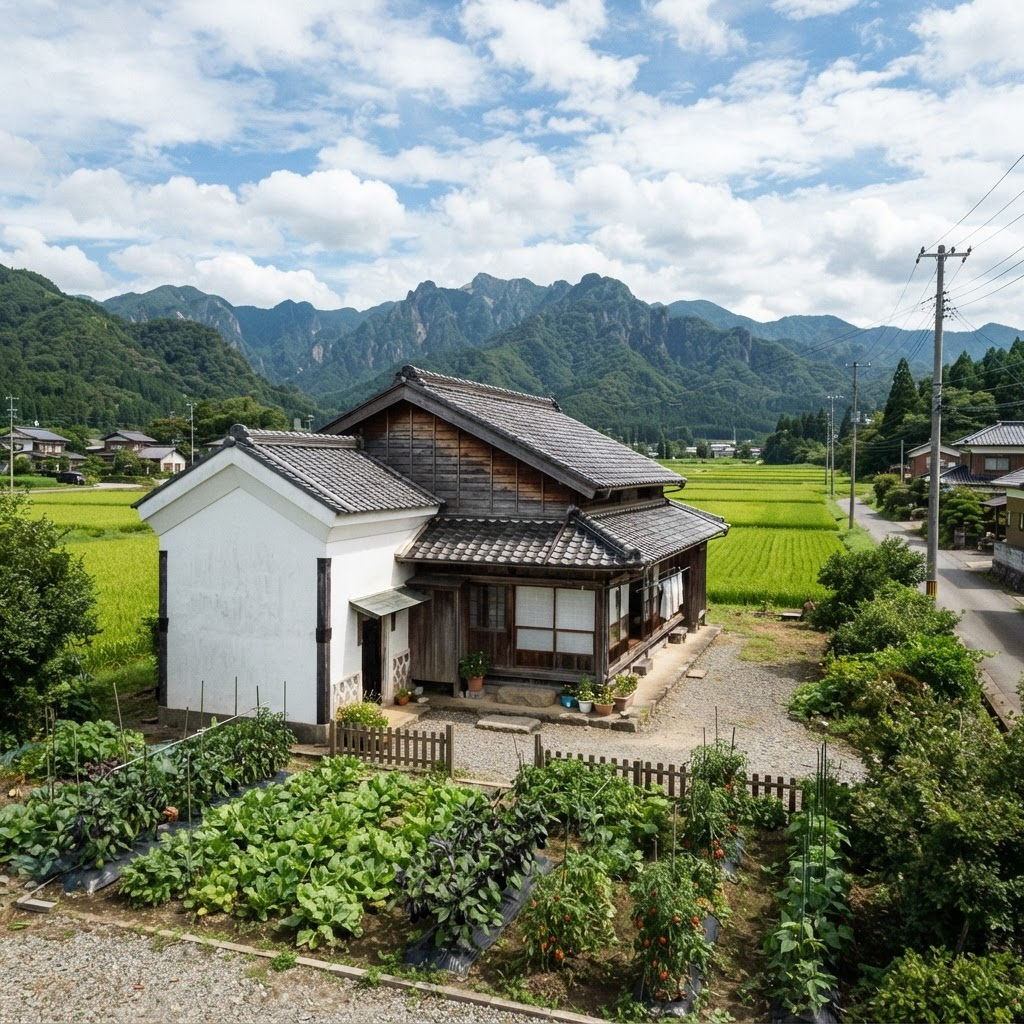
Renovation costs can easily exceed the purchase price of a rural Japanese house — a ¥3 million akiya with a ¥25 million renovation is a ¥28 million project, before taxes, professional fees and contingency. Current SUUMO guidance places full detached-house renovations broadly around ¥8-40 million depending on size and scope; LIFULL estimates roughly ¥20-30 million for a full renovation of a ~50-tsubo (165 m²) traditional house. Rural access, winter conditions, hazardous-material work and specialist timber repairs push these higher.
Planning ranges, not quotations
| Work category | Indicative planning range | Caution |
|---|---|---|
| Full / skeleton renovation | ¥8M – ¥40M | SUUMO 2026: ~80-100 m² at ¥8-20M; 120-150 m² at ¥20-40M |
| Full traditional house (~50 tsubo) | ¥20M – ¥30M | Severe foundations, specialist joinery, remote access can exceed |
| Seismic diagnosis | ¥200K – ¥500K | Municipal subsidies may be available |
| Seismic strengthening | ¥1.5M – ¥3M (moderate scope) | Foundation replacement or a large kominka can cost far more |
| Insulation & windows | ¥3M – ¥4M | Coordinate with seismic work while walls are open |
| Kitchen, bath, toilet, piping | ¥2.8M – ¥4M | Drainage relocation and septic upgrades add cost |
| Roof work | ¥500K – ¥3.5M+ | Large traditional roofs and tile disposal can exceed portal ranges |
| Exterior walls | ¥500K – ¥3.5M+ | Traditional plaster and scaffolding materially change cost |
The sequence that avoids paying twice
The efficient retrofit order is: stop water intrusion; stabilize slopes and foundations; repair structural timber; complete seismic and fire design; replace buried or concealed services; upgrade roof and envelope; then complete interior finishes. Installing the beautiful kitchen first is how people pay for the same wall twice when concealed structural damage is found behind it.
Where DIY helps — and where it's illegal
DIY can genuinely reduce labour costs for finishes, permitted demolition, cabinetry, painting and landscaping. But electrical, gas, regulated plumbing, asbestos, structural alterations, fire systems and licensed accommodation work belong to appropriately licensed professionals. Discuss DIY plans with your insurer too — unauthorized or undocumented work can complicate claims and future resale.
Whole-project budget checklist
Your acquisition decision should rest on total project cost, not the listing price.
Total Project Cost = Purchase + Taxes & Fees + Stabilization + Renovation + Utilities + Business Compliance + Professional Costs + Financing + Contingency.